
New Yorkers call their neighborhoods ‘neighborhoods.’ In perhaps no other city in the world are they as diverse as here.
They are the foundation, heart, and soul of the metropolis. On this tour, we explore six socioeconomically diverse neighborhoods in Manhattan, the Bronx, Brooklyn, and, with a special focus on the highly interesting, yet rarely explored, Queens.
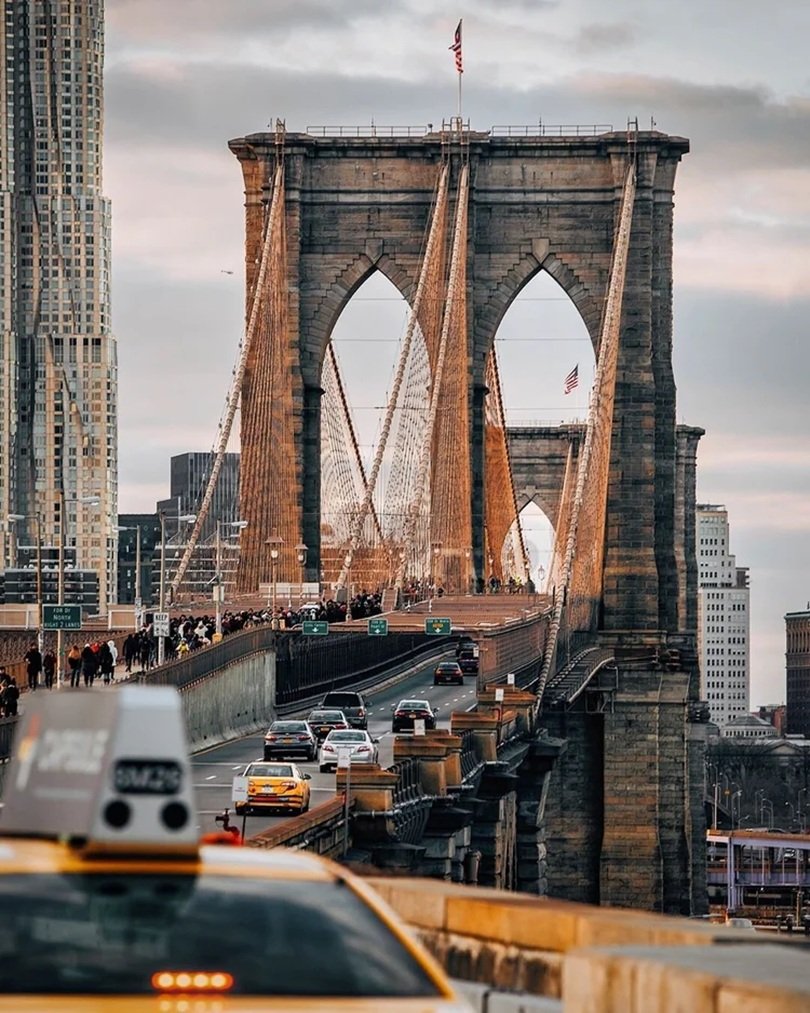
We start the tour in Manhattan and travel across the Brooklyn Bridge to our first neighborhood, Park Slope, in Brooklyn.
Park Slope – Brooklyn
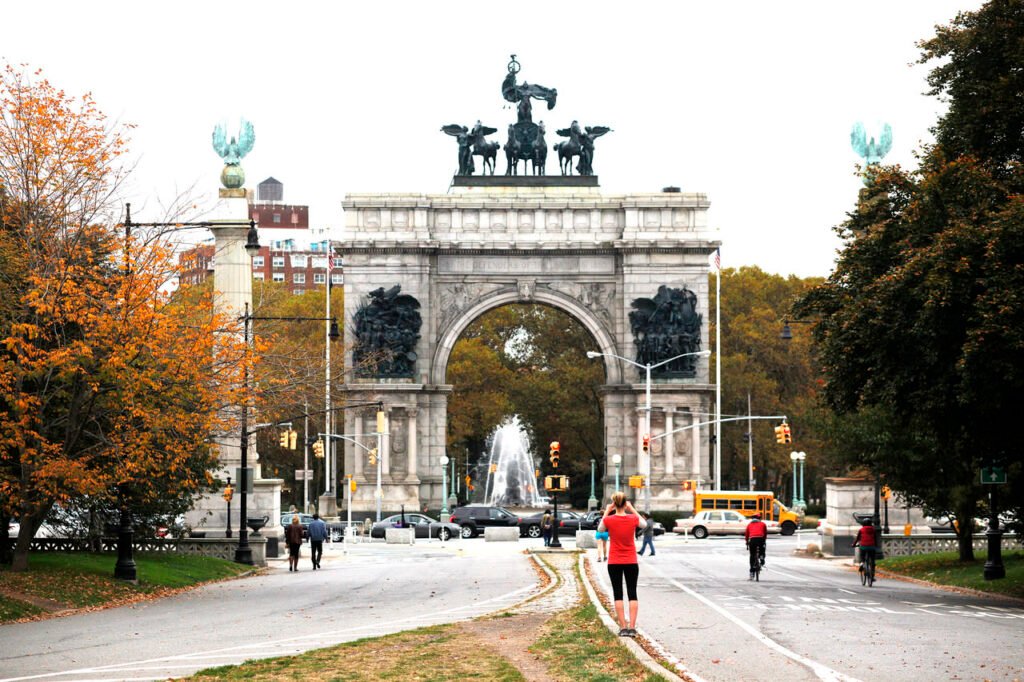
In 1859, Central Park opened in Manhattan. Just eight years later, Prospect Park in Brooklyn, designed by the same landscape architects, Frederick Law Olmsted and Calvert Vaux, was completed. It was almost two-thirds the size of Central Park, befitting Brooklyn, which at the time was still a separate city, the third largest in the United States.
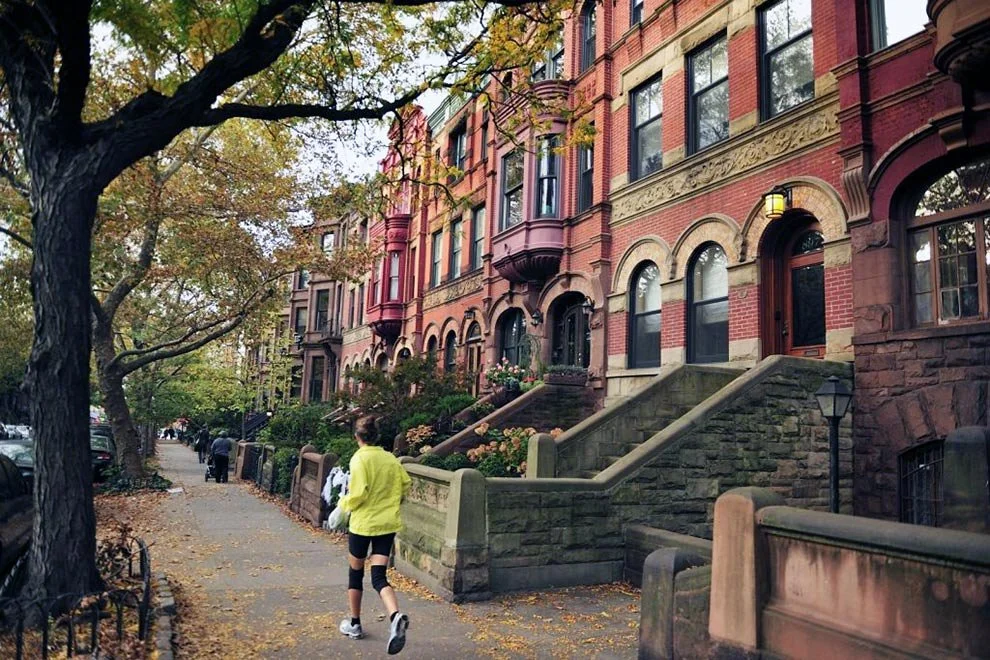
The surrounding area of Park Slope attracted so many wealthy citizens that, according to the 1890 census, it was the wealthiest neighborhood in the entire United States. Residents often initially lived in Victorian mansions, but as land became scarcer, they switched to brownstone townhouses with their characteristic staircases, known locally as stoops.
After Manhattan, Queens, the Bronx, Staten Island, and Brooklyn merged to form the City of New York in 1898, Park Slope lost importance, as the metropolis was now clearly dominated by Manhattan. Connection of the neighborhood to the subway system in 1915 led to the development of a socioeconomically more diverse population in the following decades. Initially, it was working-class families of Italian and Irish descent who primarily moved there, later followed by African Americans and Puerto Ricans. Many whites left and by the 1970s Park Slope had lost its reputation as a highly desirable residential area.
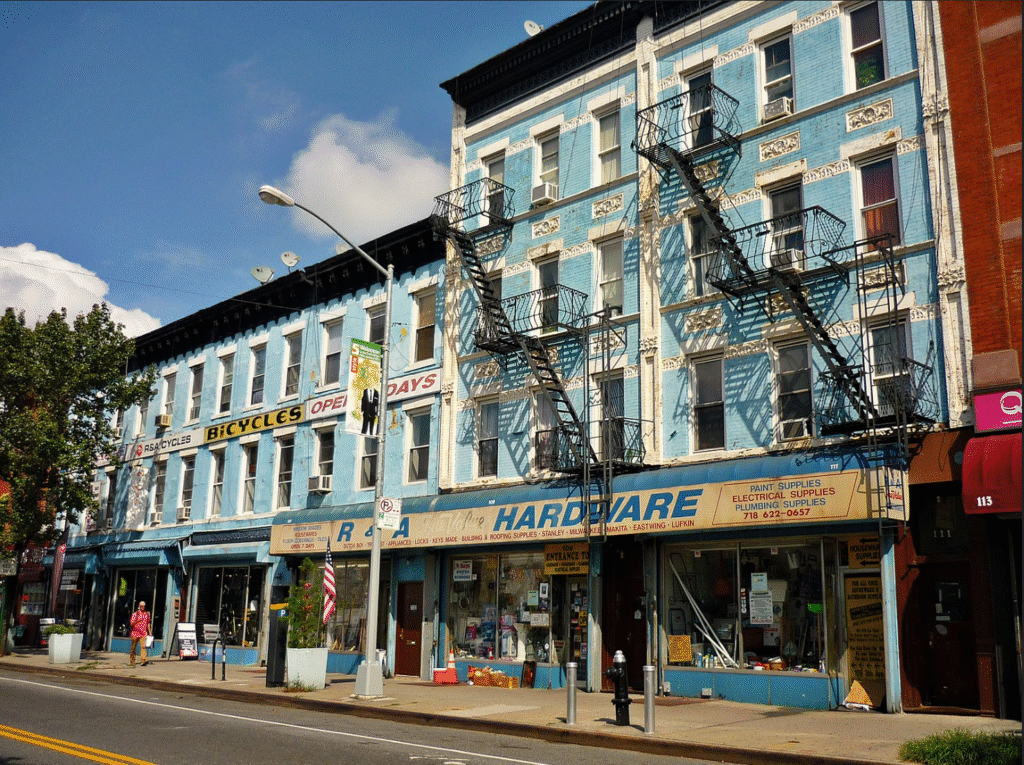
In the 1990s a major real estate boom began in New York, which essentially continues to this day. Park Slope was rediscovered by the wealthier segments of the population, including many upscale young families, who were primarily attracted by the attractive real estate, especially Brownstone houses, that are once again among the most desired properties in all of New York. Today, the neighborhood is considered to be politically progressive, environmentally and health-conscious and creative.
Williamsburg – Brooklyn
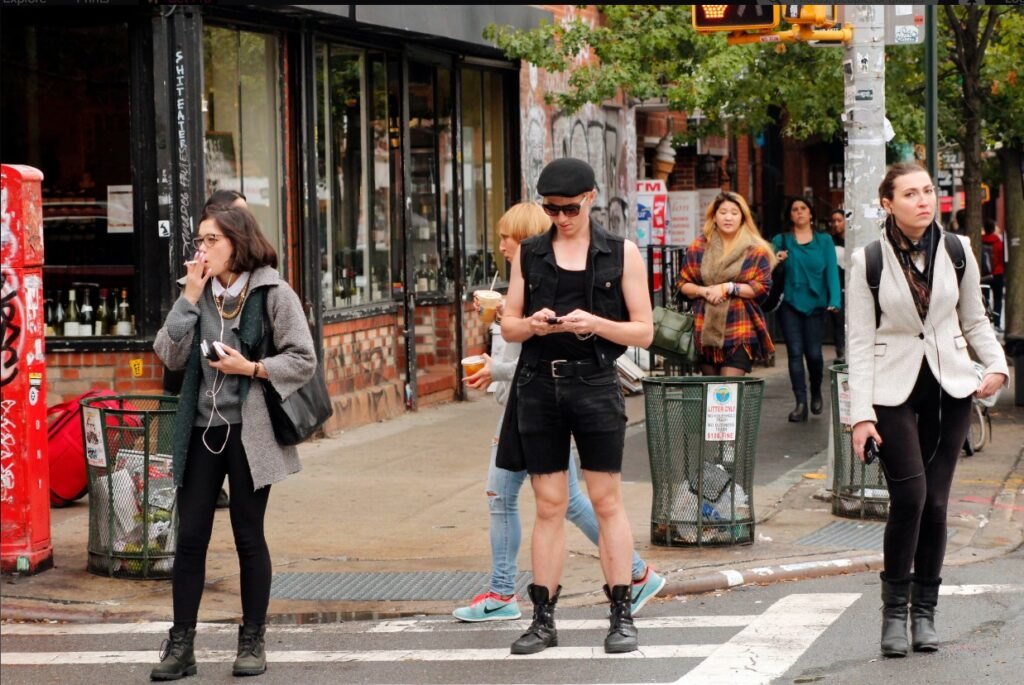
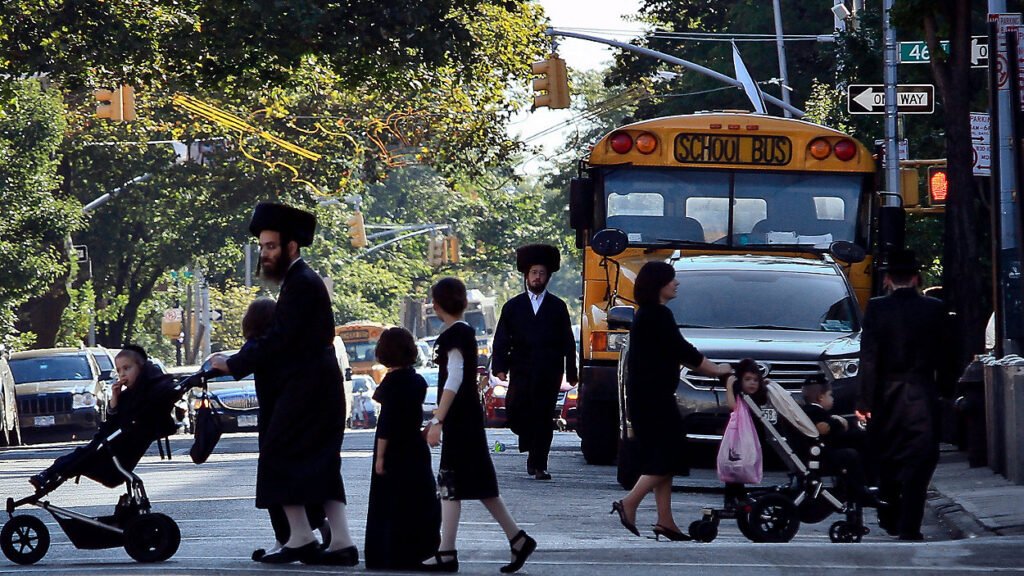
Williamsburg demonstrates how much contrast can exist in a single neighborhood in New York – where else in the world do Orthodox Hasidic Jews share a district with hip creatives?
Until the 1960s, the northern part of the neighborhood was known for storage-facilities, light manufacturing and businesses like mechanic’s shops intermixed with inexpensive residential buildings, primarily for immigrants. Afterward, as in many other New York neighborhoods at the time, the industrial companies left the city and moved to the outskirts. In the 1990s, many of the properties, which were then relatively inexpensive compared to Manhattan, just across the East River, were taken over by young creatives. They converted them into lofts, galleries, clubs, and restaurants, and Williamsburg became ultra-trendy.
we continue from Brooklyn on to Queens
Jackson Heights – Queens

A neighborhood considered the most diverse in a city as ethnically diverse as New York City must be remarkable, and Jackson Heights certainly is.
Jackson Heights was developed in the 1930s as home to commuters working in nearby Manhattan. The 1950s saw the beginning of an influx of immigrants from around the world, which came in waves.
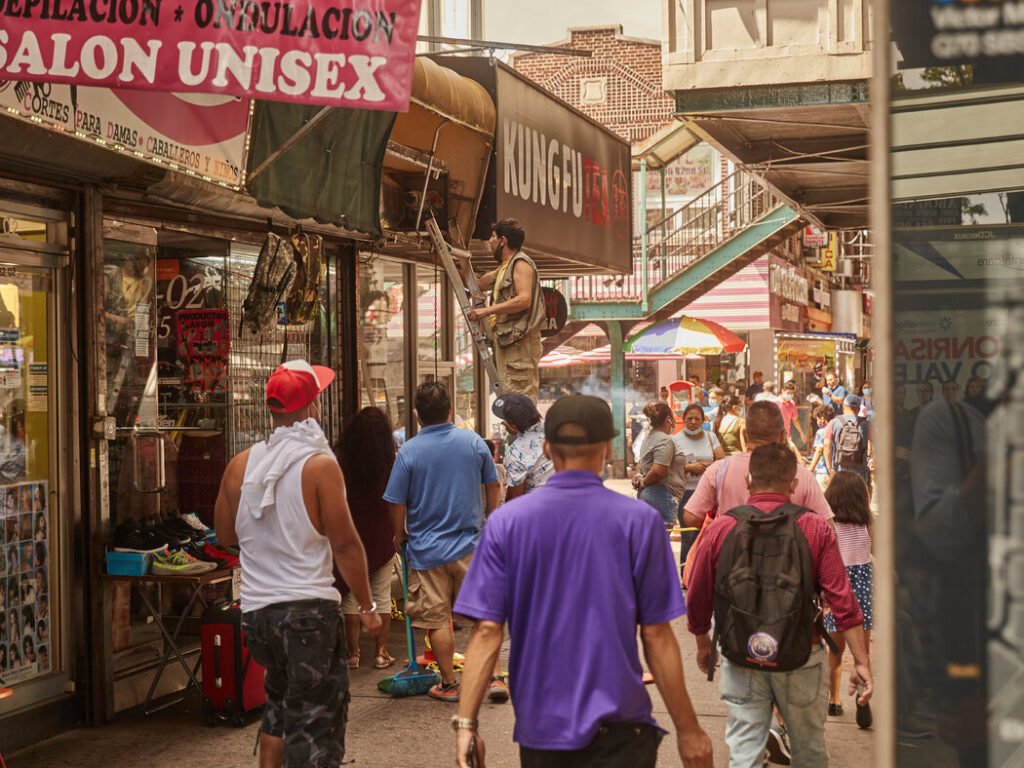
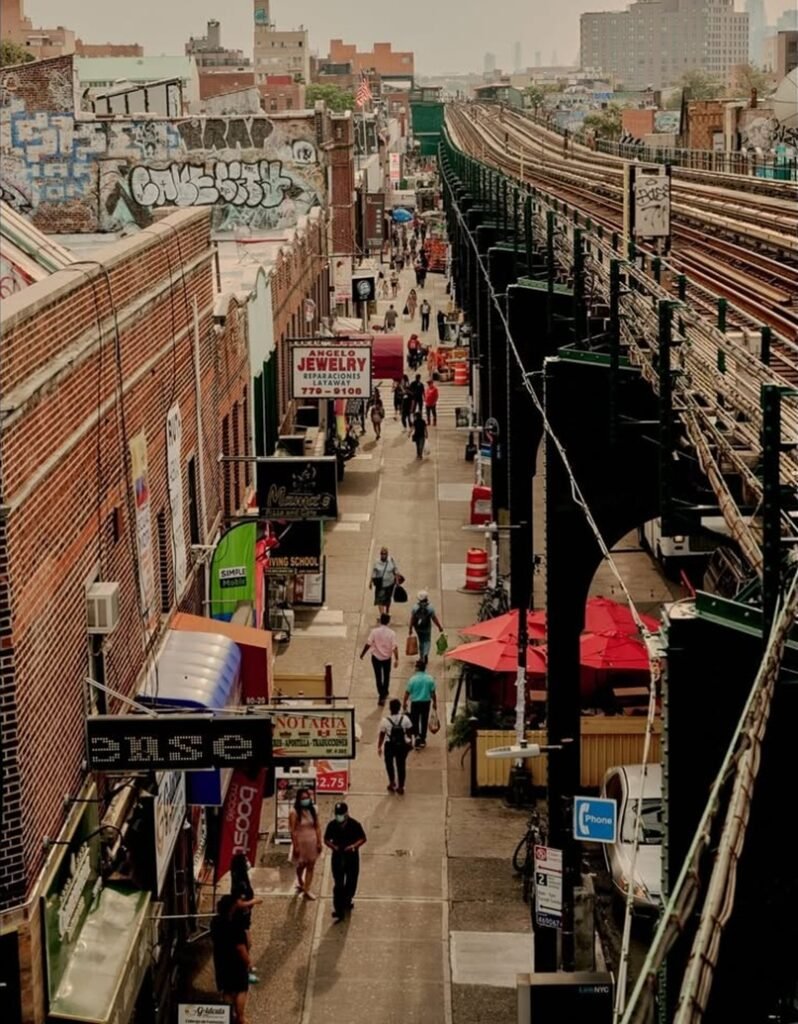
In today’s Jackson Heights Indians are particularly prominent group. There are people from China, Nepal, Tibet, North Africa, the Dominican Republic, Jamaica, and Russia. The list goes on. Two-thirds of the population was not born in the United States.
The subway rattling above the streets on elevated tracks contributes to the urban ambiance of Jackson Heights.
Long Island City – Queens
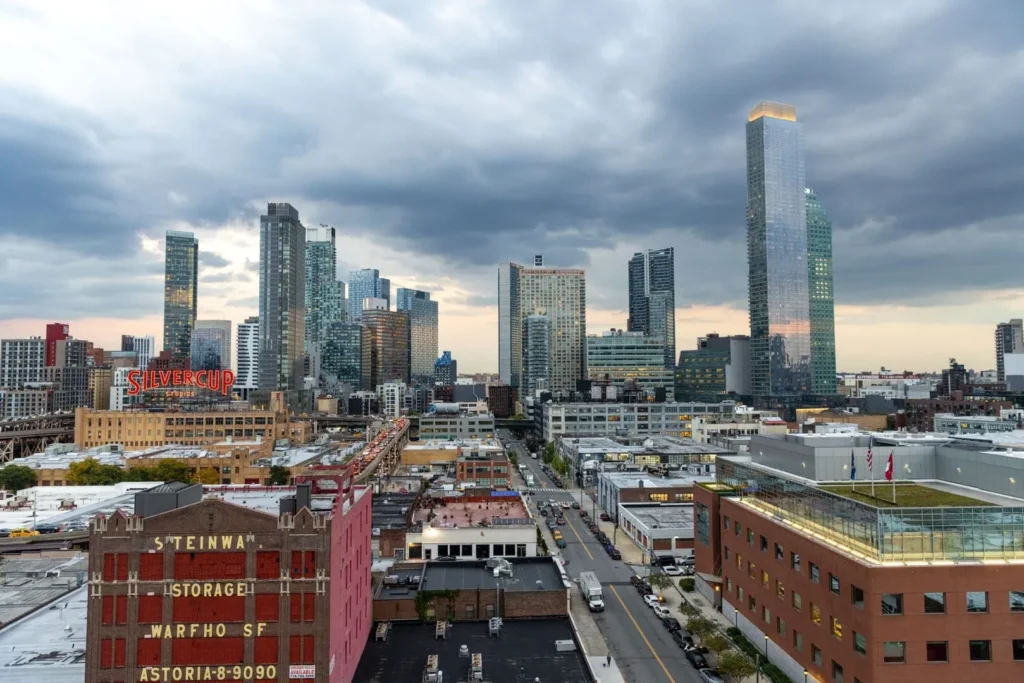
Long Island City has a long history as an industrial area with warehouses, workshops, and factories where everything from batteries and paints to neon signs and cookies was manufactured. Two trends have transformed the area since the turn of the millennium and even before: the exodus of industry from New York and the growing need for housing in the booming city. Since the 2000s, apartments have been built in the neighborhood at a higher rate and pace than almost anywhere else in the USA. Today, Long Island City is a district with its own unique kind of diversity. Art parks stand next to modern residential towers, and industrial plants are just around the corner from trendy nightlife.
Astoria – Queens
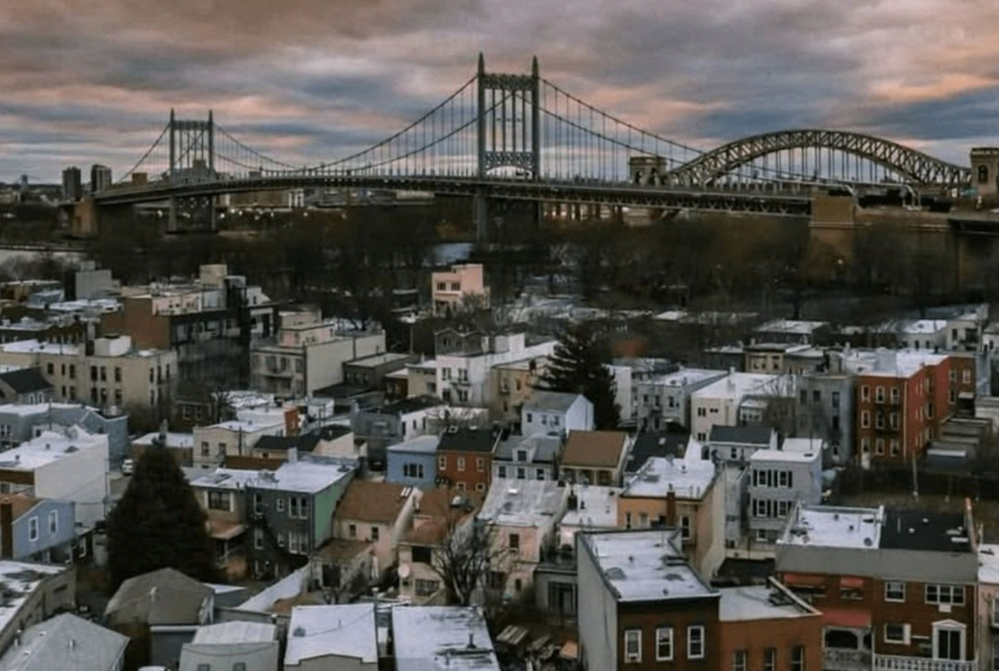
Astoria is one of the few neighborhoods in New York City named after a person, the German-born tycoon John Jacob Astor. In the 1830s, entrepreneurs who planned to build a kind of free trade zone here, complete with factories, warehouses, and piers, hoped to flatter America’s then-richest man and persuade him to invest in the project. This plan failed, and instead, Astoria became a residential area, primarily for people who worked in Manhattan, just a few subway stops away. Today the neighborhood is particularly shaped by Greek immigrants, whose influence is evident in everything from Greek Orthodox churches and restaurants to doctor’s offices. Later, other groups joined the community, and today there are streets known as Little Egypt and Little Brazil, all contributing to one of the best culinary scenes in all of New York.
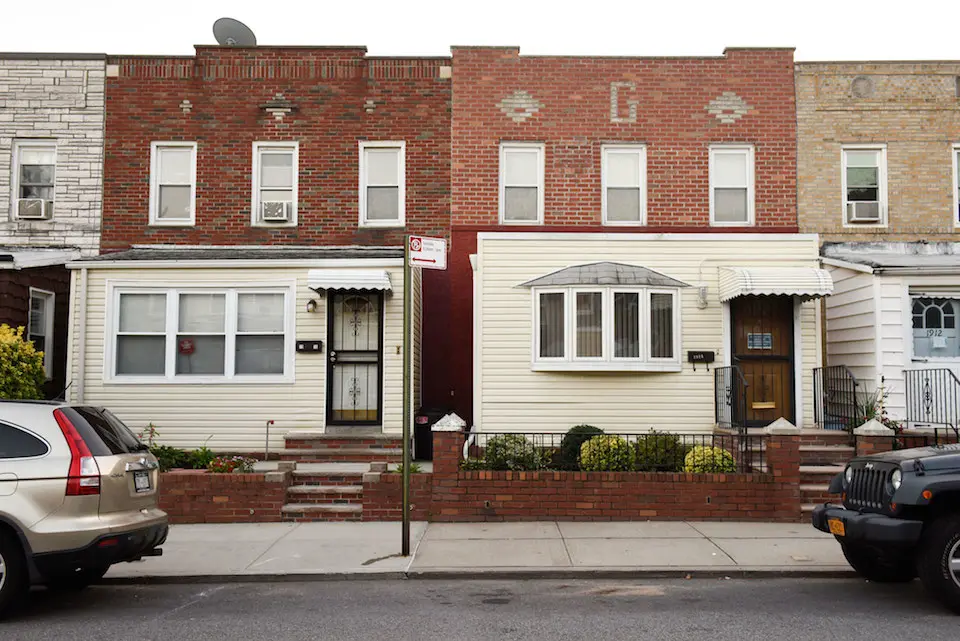
Few other neighborhoods offer such a diverse range of housing options as Astoria. There are government subsidized apartment complexes, small apartment buildings, and modern high-rises with luxury apartments. But what particularly surprises visitors is that this neighborhood, separated from Midtown Manhattan, the bustling center of New York City, only by the East River, also features small single-family and two-family homes.
Music and film have a long tradition in Astoria and Long Island City. Steinway & Sons has been producing pianos here since the 1870s, and outside of Hollywood, Astoria has been one of the places with the most film studios in the USA since the 1920s – one reason why the extraordinary ‘Museum of the Moving Image’, which deals with the history of film production, is located here.
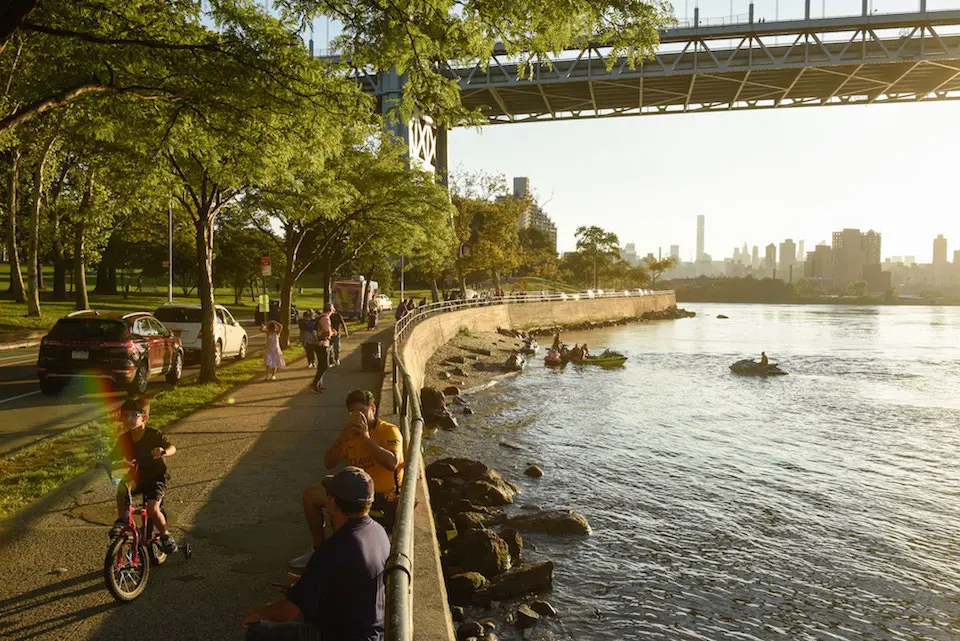
Long Island City and Astoria share a beautiful stretch of the East River waterfront, which has seen significant investment in recent years and is now one of the most attractive destinations by the water in all of New York City. The views of Manhattan and two of the city’s most iconic bridges, the Queensboro Bridge and the Hellgate Bridge, are spectacular.
from Queens we continue to the Bronx
The South Bronx
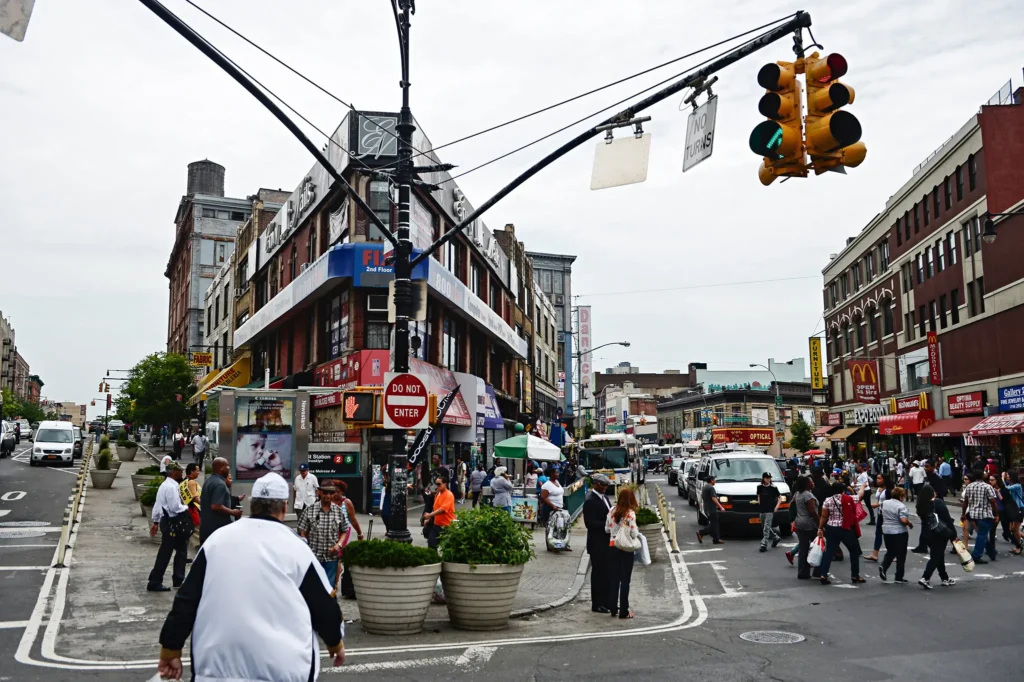
Even today, the global image of the South Bronx neighborhood is often shaped by pictures from the 1970s and 1980s of people in front of burning trash cans and streets full of abandoned buildings. None of this exists anymore today. .
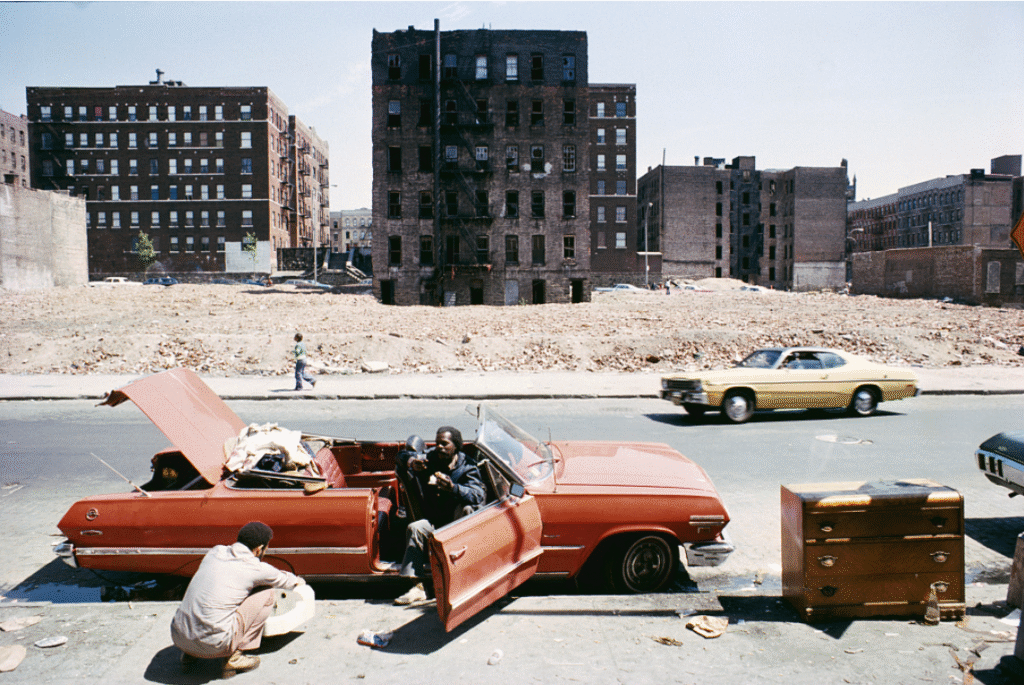
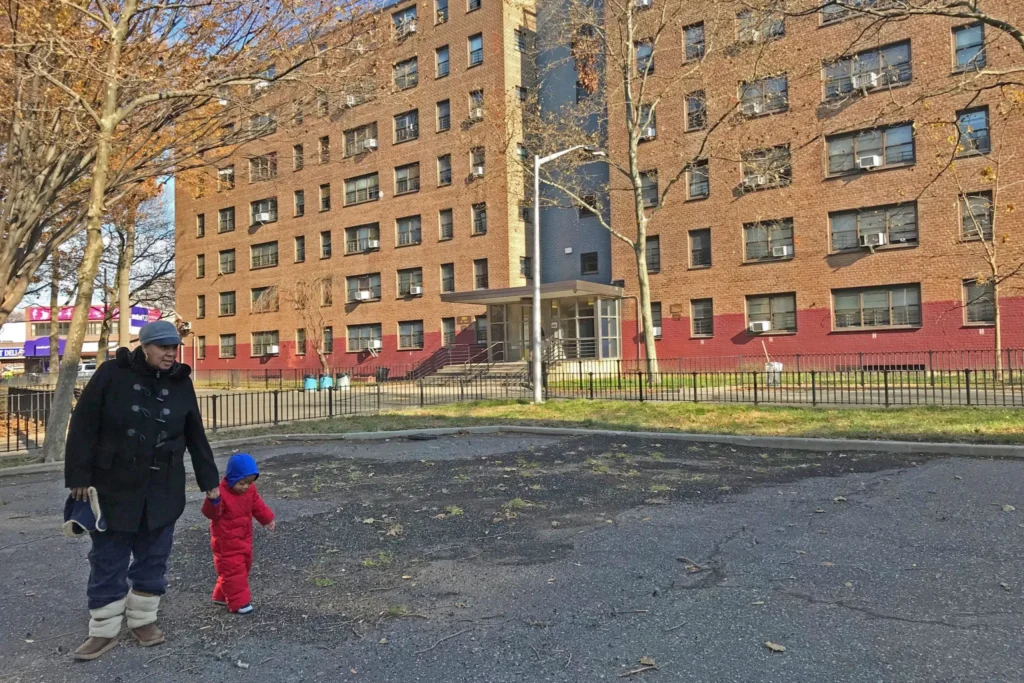
The South Bronx remains a poverty-stricken area. The neighborhood had one of the lowest average incomes in the entire US according to the 2020 census, a fact reflected in its massive public housing complexes. However, it also boasts a strong sense of community, a Latino atmosphere (the majority of residents are now Latino), and some of New York’s busiest streets, brimming with shops and vibrant life.
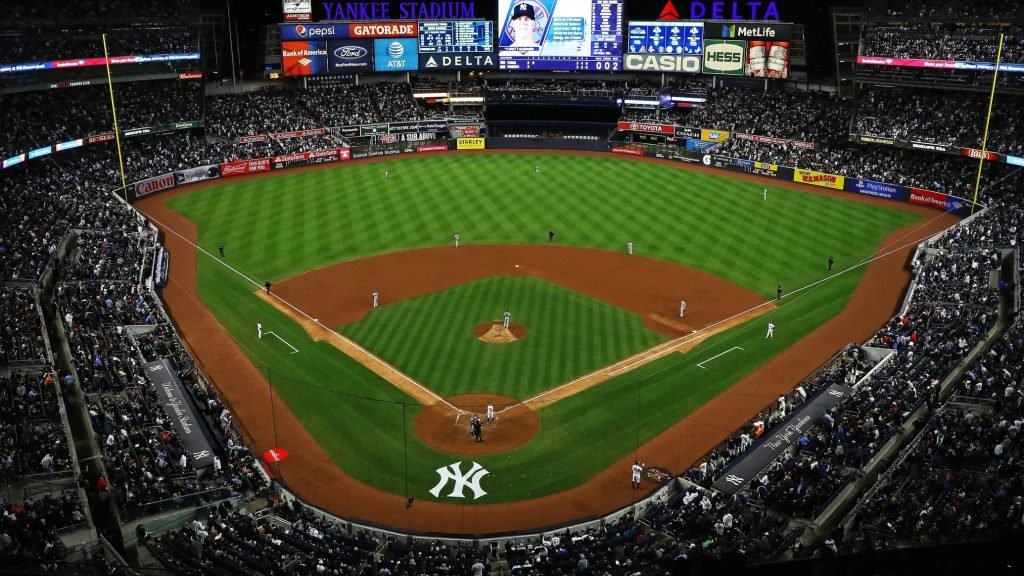
The South Bronx boasts important cultural and sporting achievements; rap and hip-hop music spread from here to the world, and the legendary New York Yankees baseball team also plays in the neighborhood.
from the Bronx we continue to Manhattan
Harlem – Manhattan
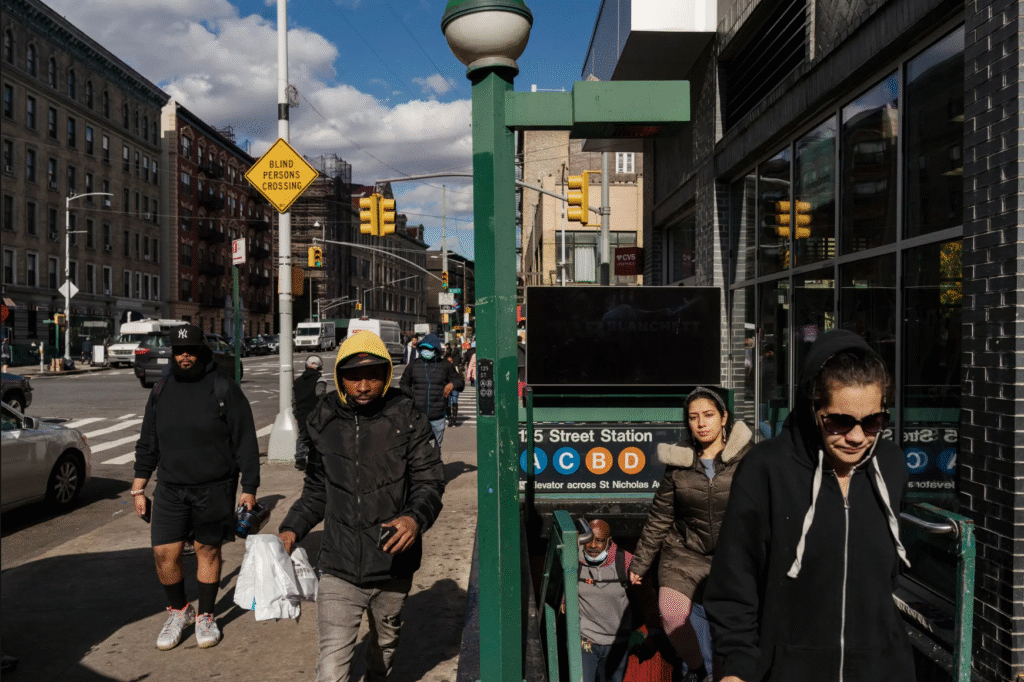
Following the real estate crash of 1904, African Americans began migrating to Harlem, a neighborhood in northern Manhattan, because homeowners couldn’t find enough white renters for their properties. Most of these Black people came to New York from the American South, hoping to escape racism and a lack of economic opportunities and build a better life.
In the following decades, the neighborhood gained a reputation among African Americans throughout the United States as the “Capital of Black America.” Particularly during the Harlem Renaissance of the 1920s and 1930s, music and literature emerged that achieved international acclaim.
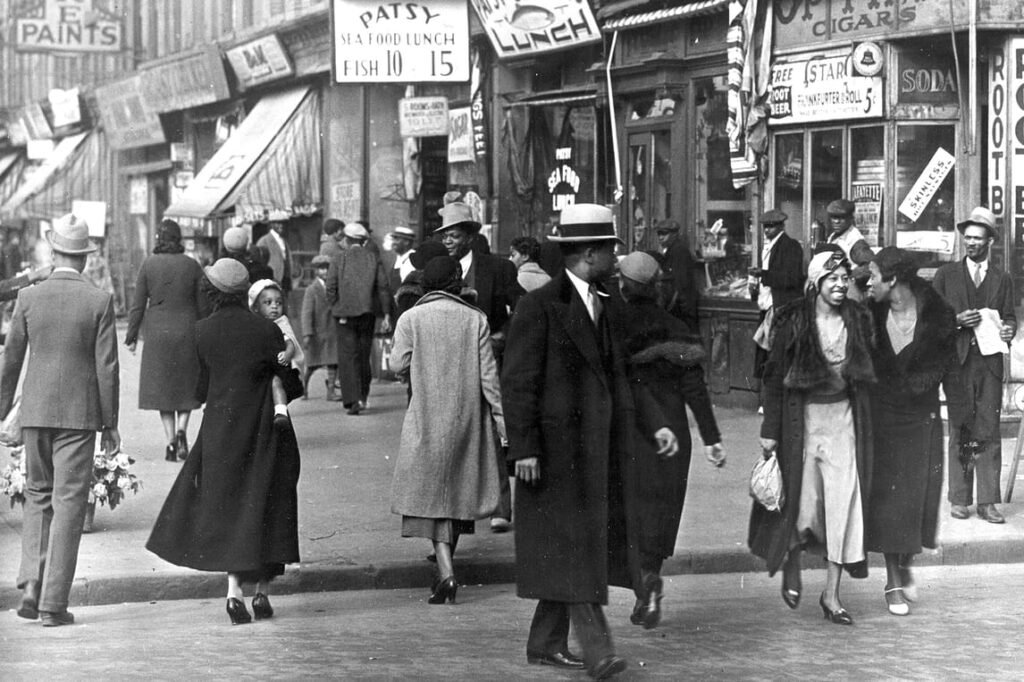
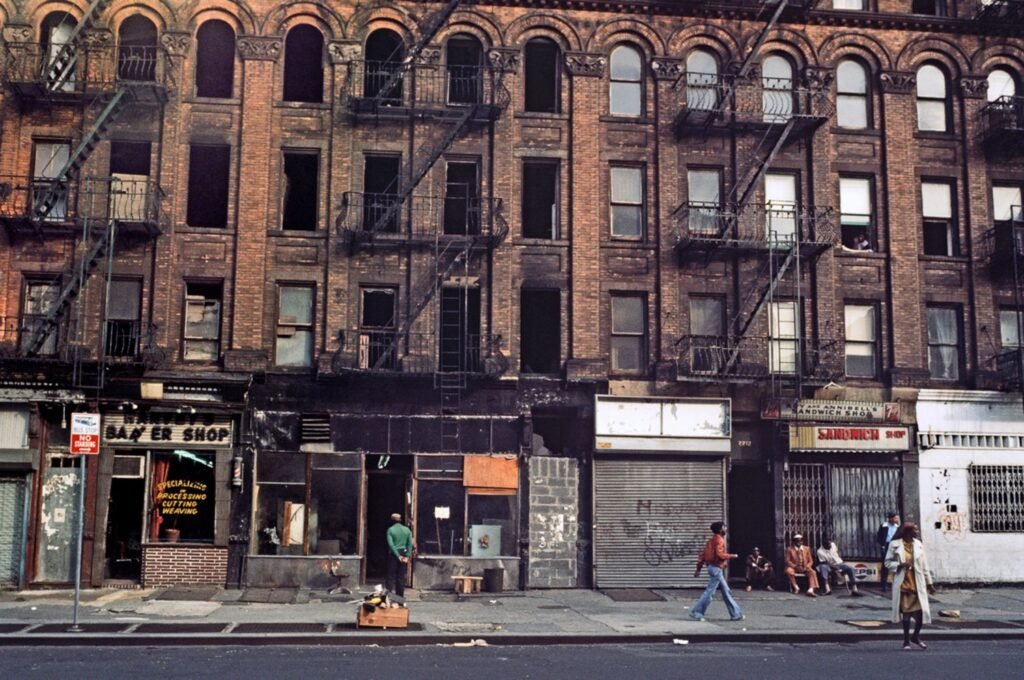
Poverty, drugs, and crime have always cast a shadow over this socially disadvantaged area. Beginning in the 1960s, Harlem came to symbolize ghetto life and urban decay to the rest of the US and the world.
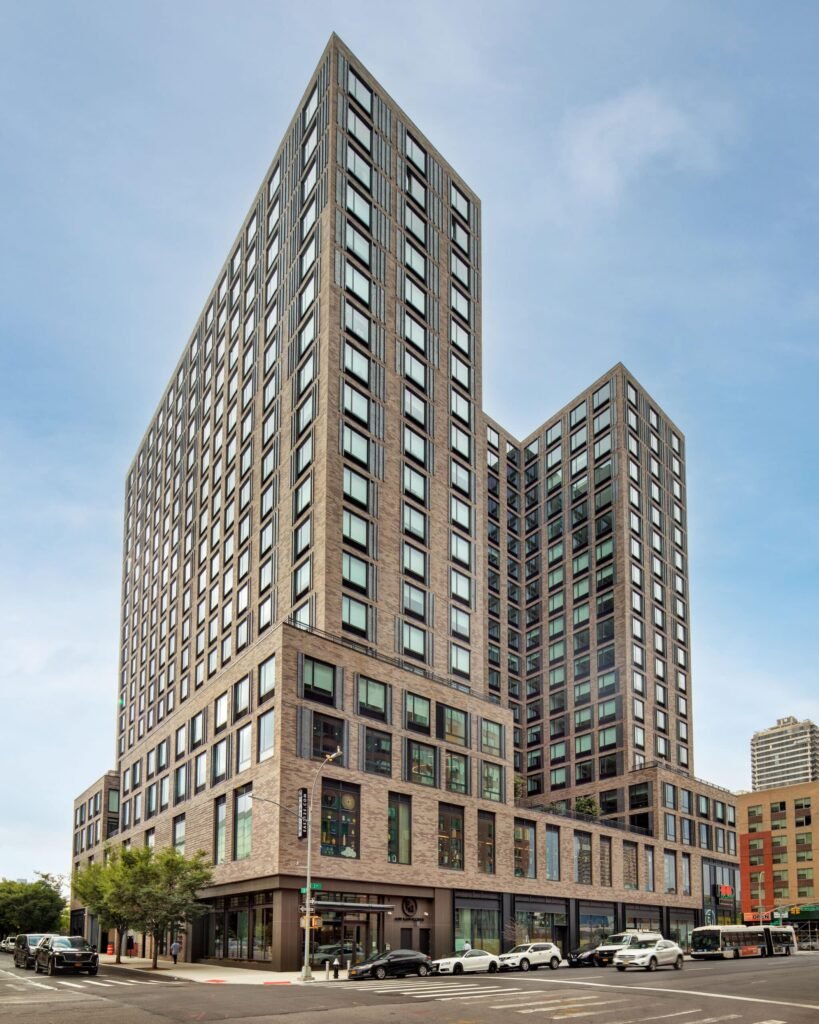
The boom that began in the 1990s also reached Harlem, creating a new problem for the geographically well-located neighborhood in Manhattan: gentrification. Harlem became too expensive for large segments of its long-time residents.
The tour ends at Columbus Circle in Midtown Manhattan.
Logistics and Prices for the Described ‘New York – A Mosaic of Neighborhoods’ Tour
We offer the tour in with formats. With an SUV and a dedicated driver as means of transportation to get from neighborhood to neighborhood or use of subway for the purpose. Guests see more from a vehicle, and the guides can tell more stories, make more comments, using the time spent in transit very productively.
Driver Frank with one of our groups
We use a spacious, comfortable SUV with a professional driver. When the tour guide and group get out at point A in a neighborhood, and later return to the vehicle at point B, the driver is already waiting, and the tour continues immediately. This allows us to make the most of our valuable time. An SUV offers further advantages, including a higher seating position, ideal for a tour, and the ability to leave belongings in the vehicle until the end.
The tour starts at 10:00 AM at the Tweed Court House, located at 52 Chambers Street, Manhattan, near the Brooklyn Bridge, the World Trade Center, and Chinatown. (Please let us know if you would like hotel pickup.)
Version – SUV with driver and tour guide 5 h
Price for a 5-hour tour, up to 4 guests: USD $850
Price for a 5-hour tour with vehicle, more than 4 guests, upon request.
Version – Subway and buses 5-6h
Up to 4 guests $500
Each additional guest $75 USD
Also important:
- Our tours are 100% private. We will not group you with other visitors
- We are City of New York certified and licensed tour guides.