

Nowhere are the history of New York and trends for the city’s future more evident than in Lower Manhattan, the southern part of the island. The roughly fifteen square kilometers below 34th Street are brimming with history, renewal, surprises, and energy.

Much of the area was first settled between 1624 and 1811, before the numbered grid pattern for the layout of streets was implemented. Until New York began to quickly expand in the early 19th century, the city only consisted of Southern Manhattan, with its narrow streets and alleyways. Today many of New York’s most charming, interesting and innovative neighborhoods are located here.
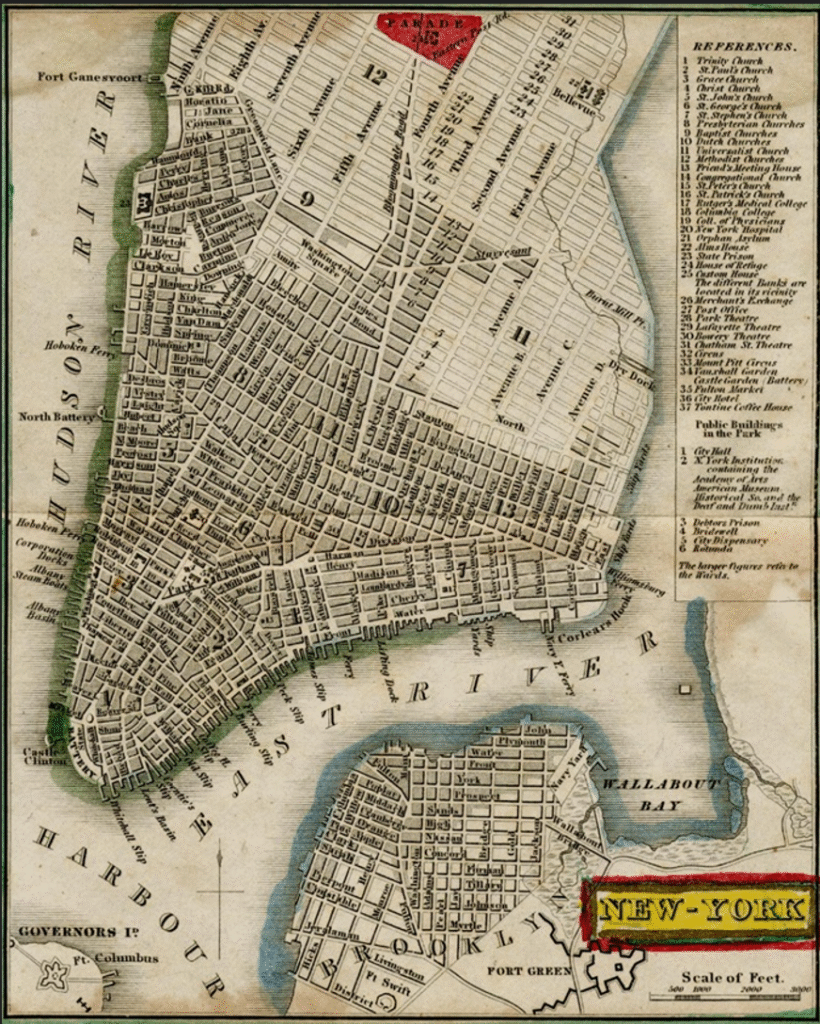
Lower Manhattan is steeped in history. A map from 1841.
What you will experience during the tour:
Lower East Side
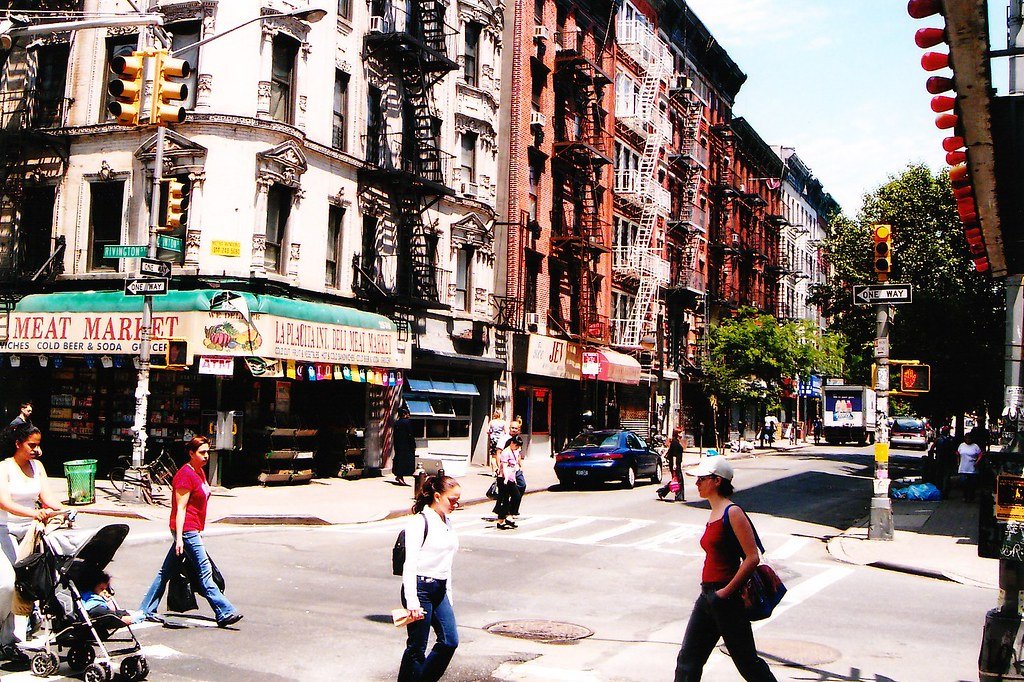
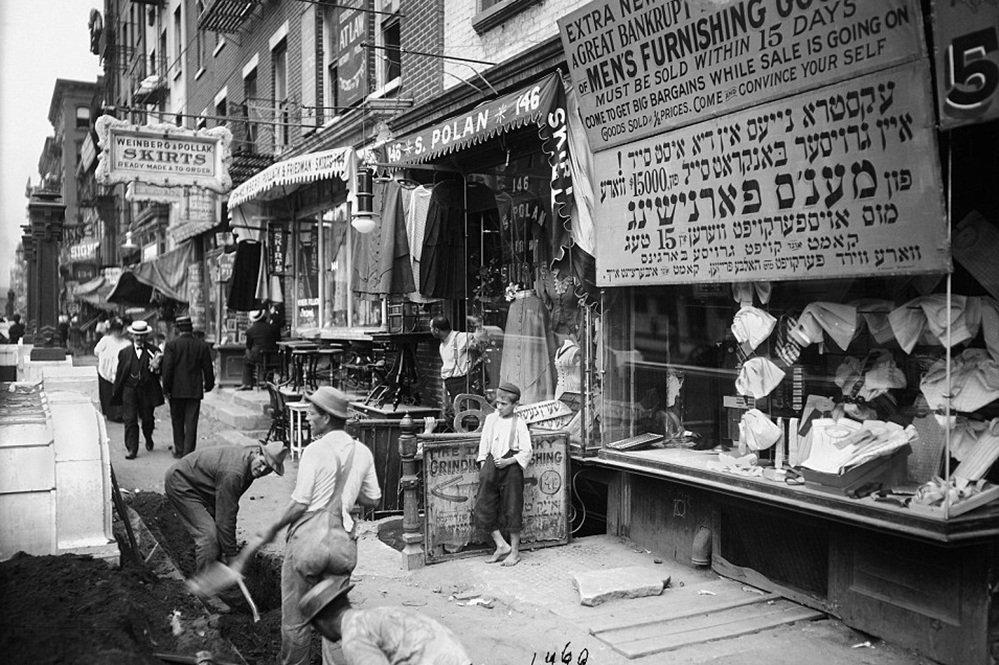
The Lower East Side was probably the most densely populated urban areas in the entire world in the late 19th and early 20th centuries, packed with European immigrants living in cramped conditions that are nearly unimaginable today. People wanted to escape from there as quickly as possible. It’s an irony of history that today’s Lower East Side, with its bohemian atmosphere, is one of the city’s most desired neighborhoods, especially among young people.
Chelsea
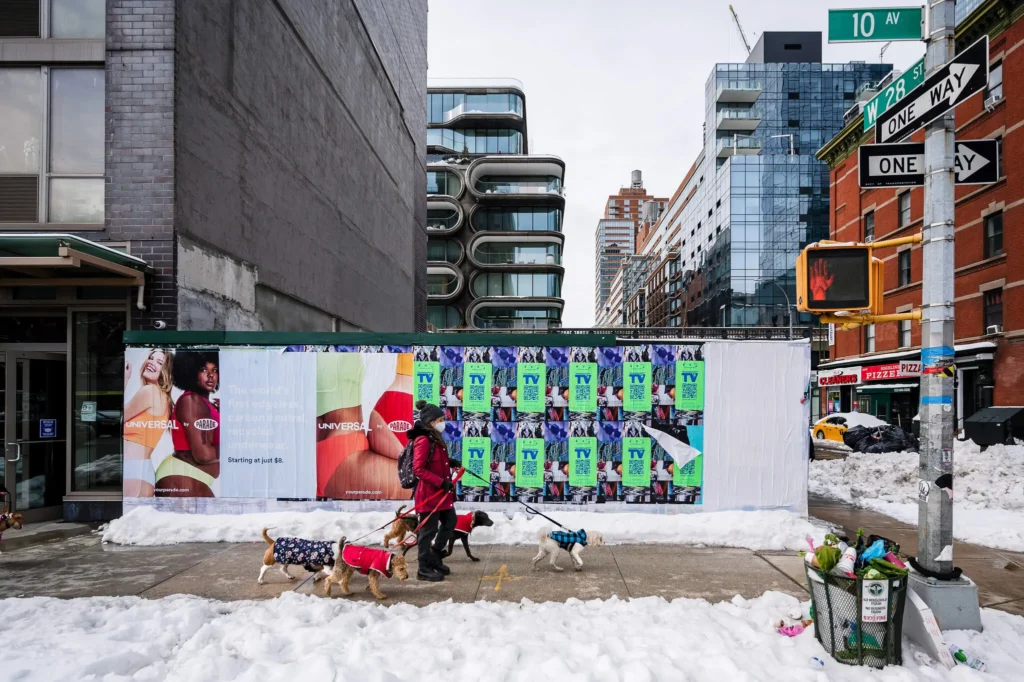
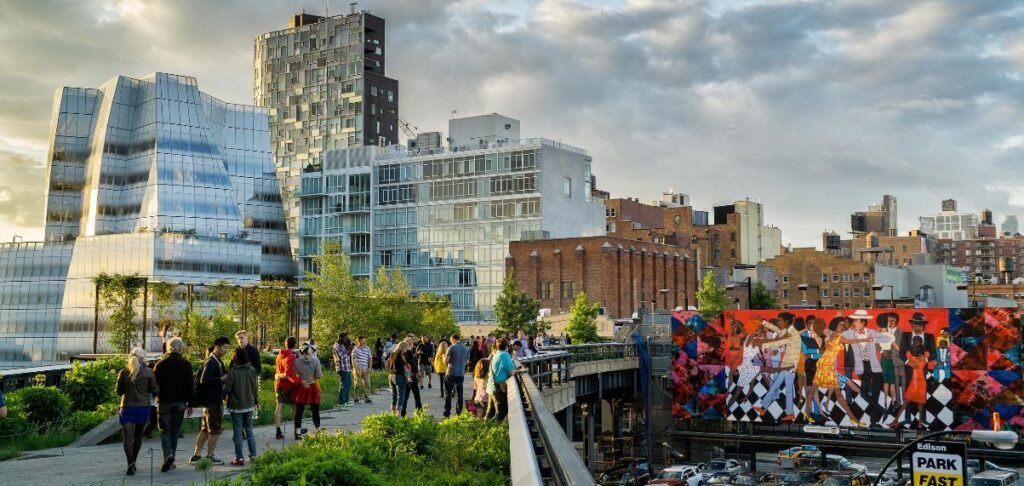
In the 1990s, gallery owners discovered the then dilapidated and partially abandoned warehouses, workshops, and auto repair shops. There are now around 350 art galleries in the area. Chelsea is also known today for its exciting, modern architecture.
Hudson Yards
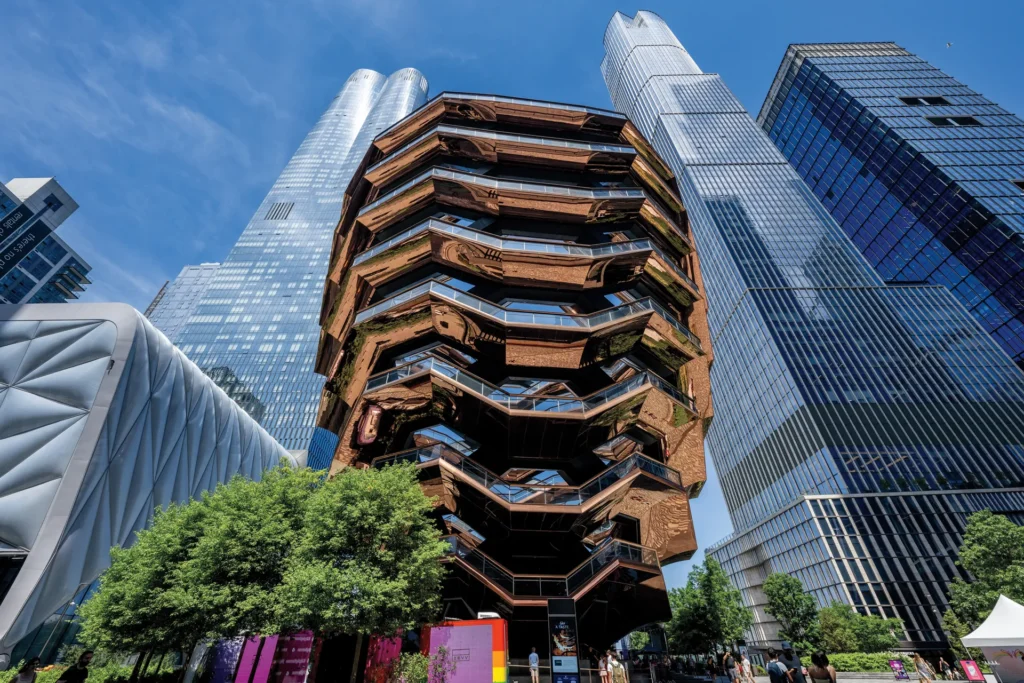
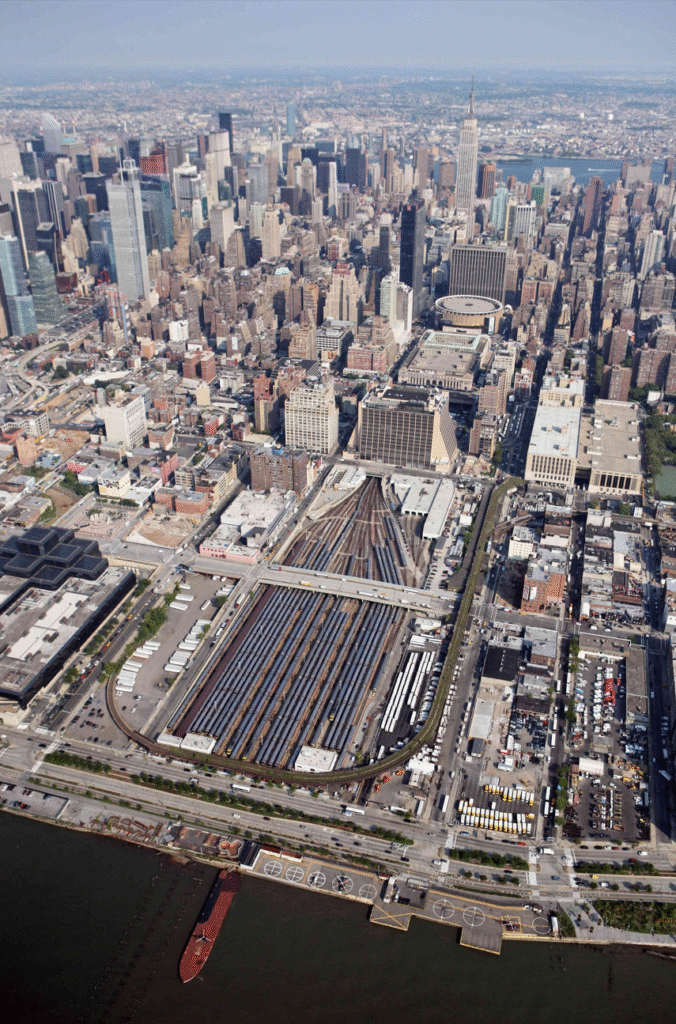
The largest privately financed construction project in US history. Seven skyscrapers were built on a $1 billion steel plate laid over the still-operational West Side Yards rail yard.
Chinatown
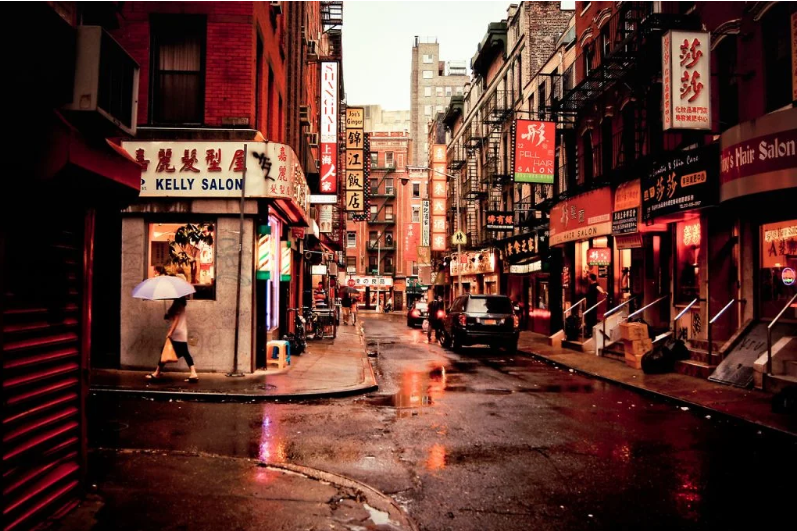
Chinatown in Lower Manhattan has it’s origins in the 1850s when Cantonese businessman Ah Ken became the first Asian immigrant to settle in the neighborhood and began running a ran a small boarding house on Mott Street.
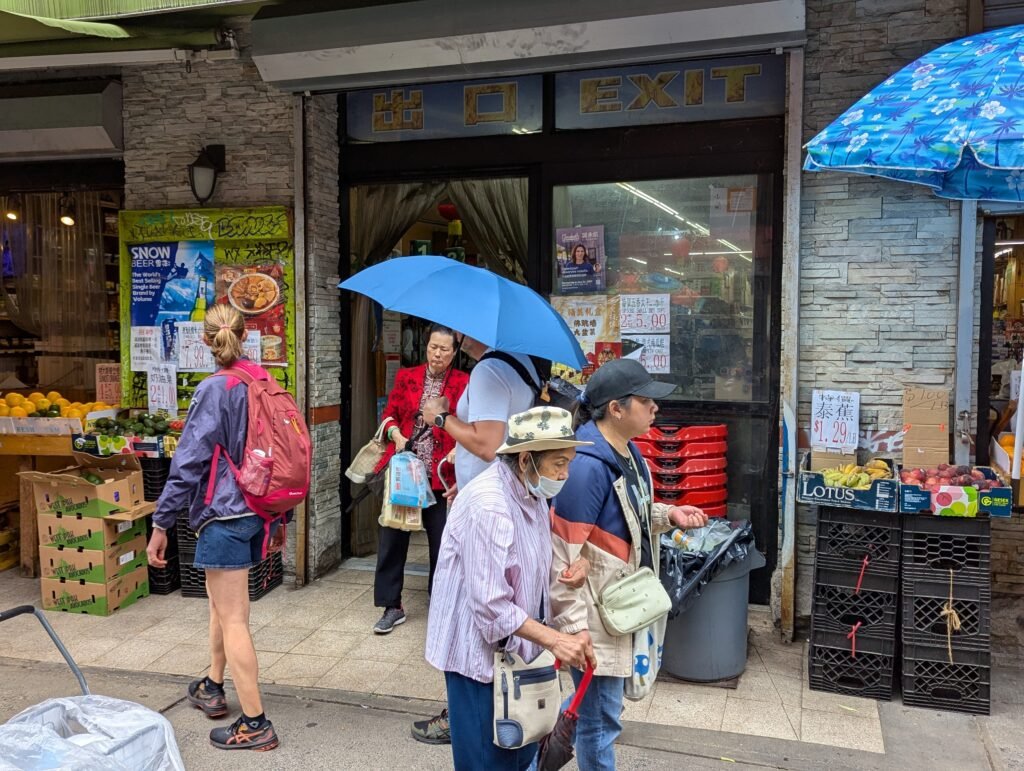
Around the same time, a wave of Chinese immigrants—primarily from Guangdong Province—flocked to the US West Coast, drawn by the California Gold Rush and railroad construction jobs. Many settled in San Francisco, but as anti-Chinese sentiment grew there, some moved to the East Coast.
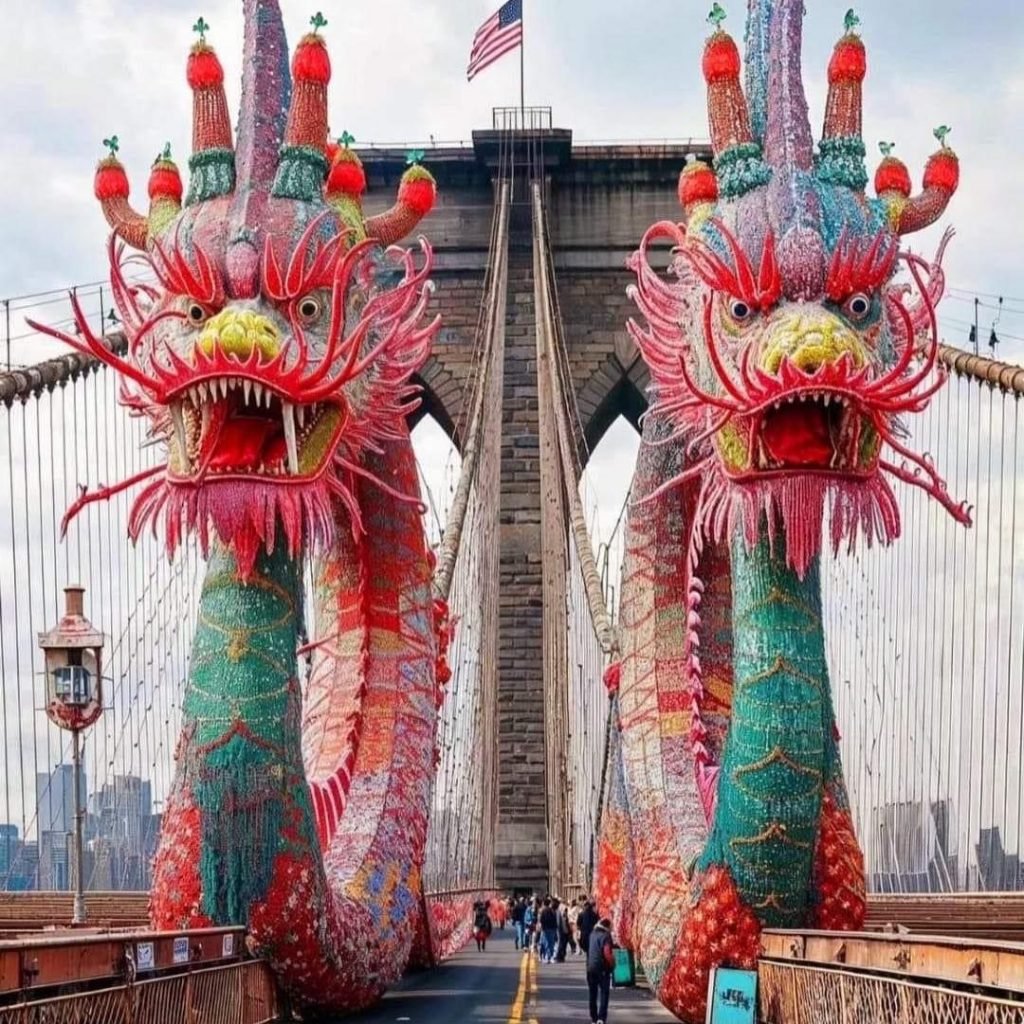
By the 1870s, New York’s Chinese population was concentrated around Mott and Canal Streets. Around 1000 Chinese immigrants lived in this area by 1880. In the next 50 years or so the number had risen to about 4,000. Today, the population is estimated at around 100,000.
Soho + Tribeca
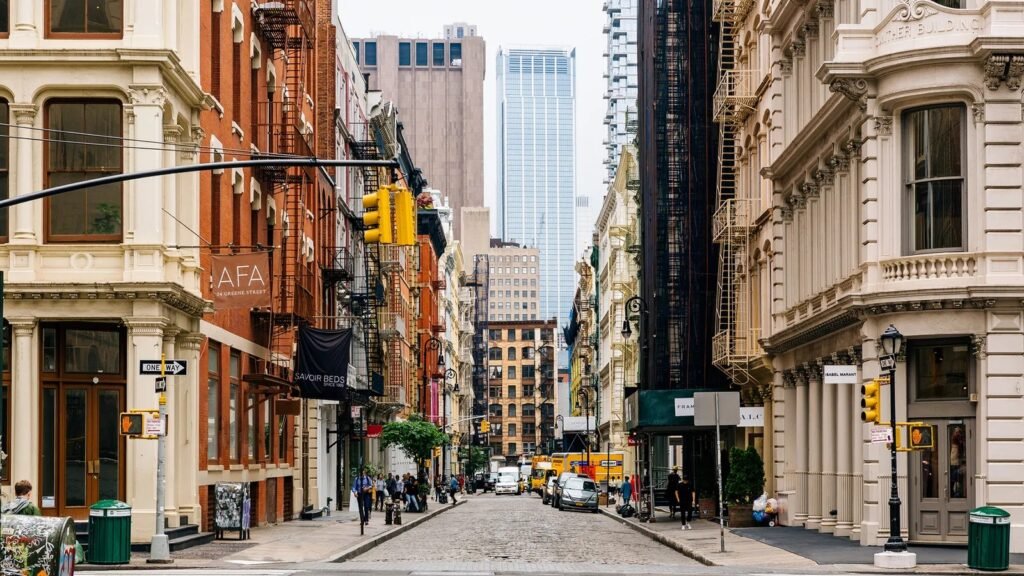
Until the 1960s, Soho + Tribeca was primarily an industrial area. Aroubd that time, many of these businesses abandoned the area, relocating to more modern facilities outside Manhattan. The old workshops and warehouses were transformed by artists into loft spaces for living and working. Since then, Soho + Tribeca has changed once again and is now primarily a mecca for luxury shopping and chic living.

The names of the neighborhoods are the creation of resourceful real estate agents who wanted new, cool names for the increasingly desirable areas. Soho stands for ‘South of Houston Street’ and Tribeca for ‘Triangle below Canal Street’.
Greenwich Village/West Village

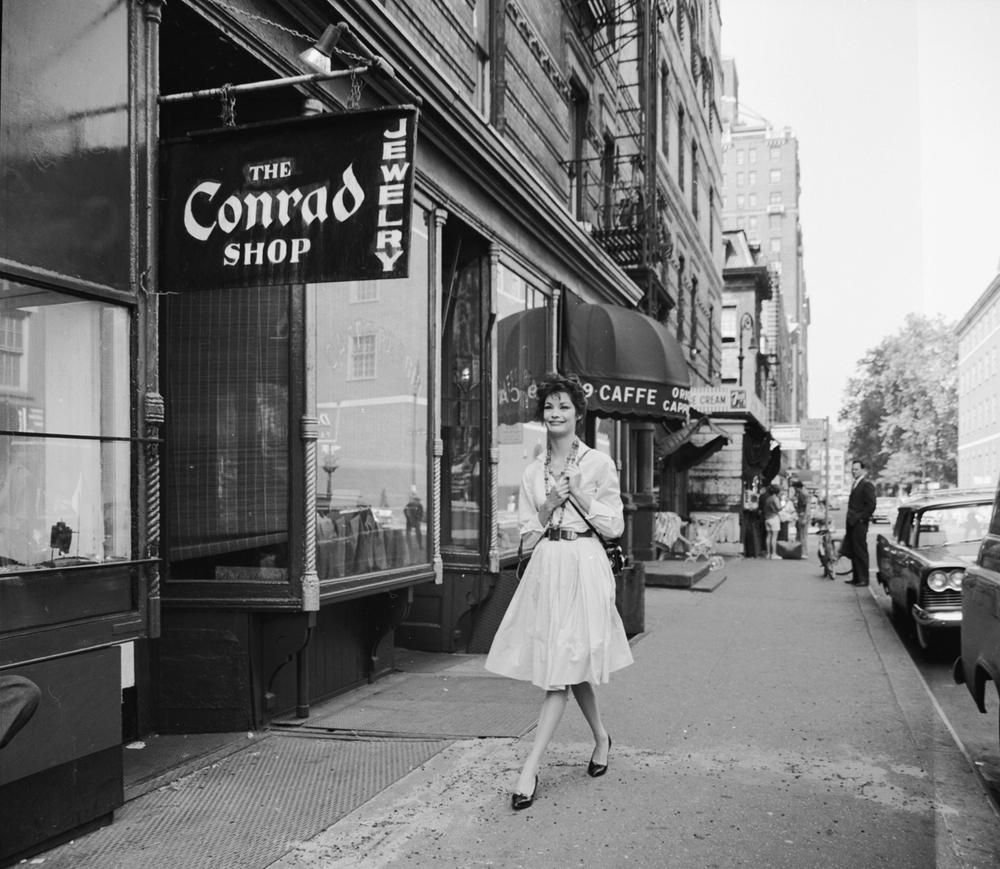
This chic area, now located in the heart of Manhattan, was a village until around 1800, hence its name. The city then absorbed it during its expansion. By the mid-20th century, Greenwich Village/West Village had become the most famous artists’ quarter in the USA. Architecturally, the area is characterized by beautiful townhouses with distinctive staircases.
Meatpacking District
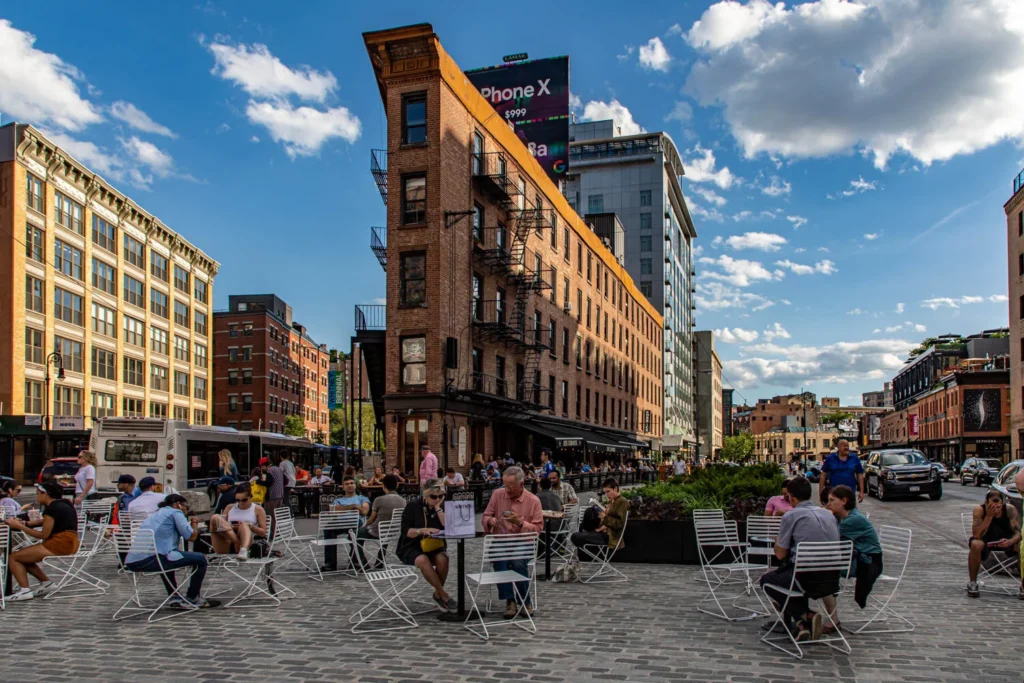
In the 1990s, the meatpacking plants for which the neighborhood is named began relocating to more modern facilities in the Bronx. A new generation of New Yorkers transformed many of the properties into upscale nightlife, restaurants, shops, and hotels. Today, the area, with its former industrial buildings and cobblestones, is ultra-trendy.

High Line

Until 1980 goods were delivered to the Meatpacking District via a freight railway running 9 meters above the street, called the High Line.
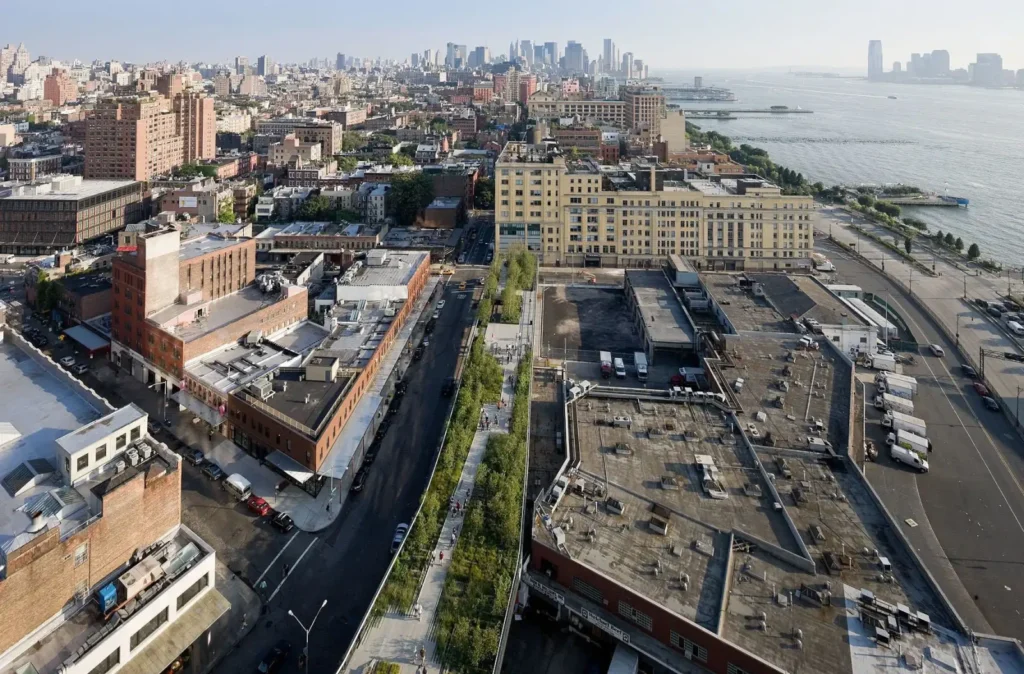
In 2009, its transformation into one of the most innovative and successful parks in New York began and was completed ten years later.
Southern end of Manhattan/Financial District
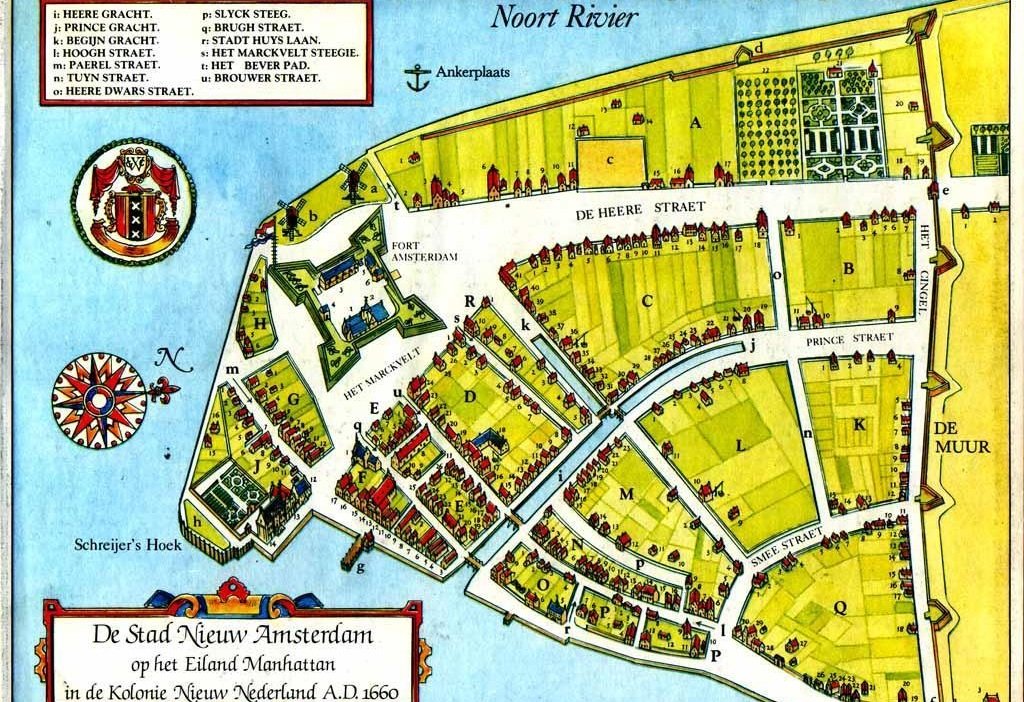
New York’s development began at the southern end of Manhattan. The Dutch founded the trading colony of New Amsterdam here in 1624. Walking through the neighborhood today, you can still feel New York’s roots in the ‘Old World’.
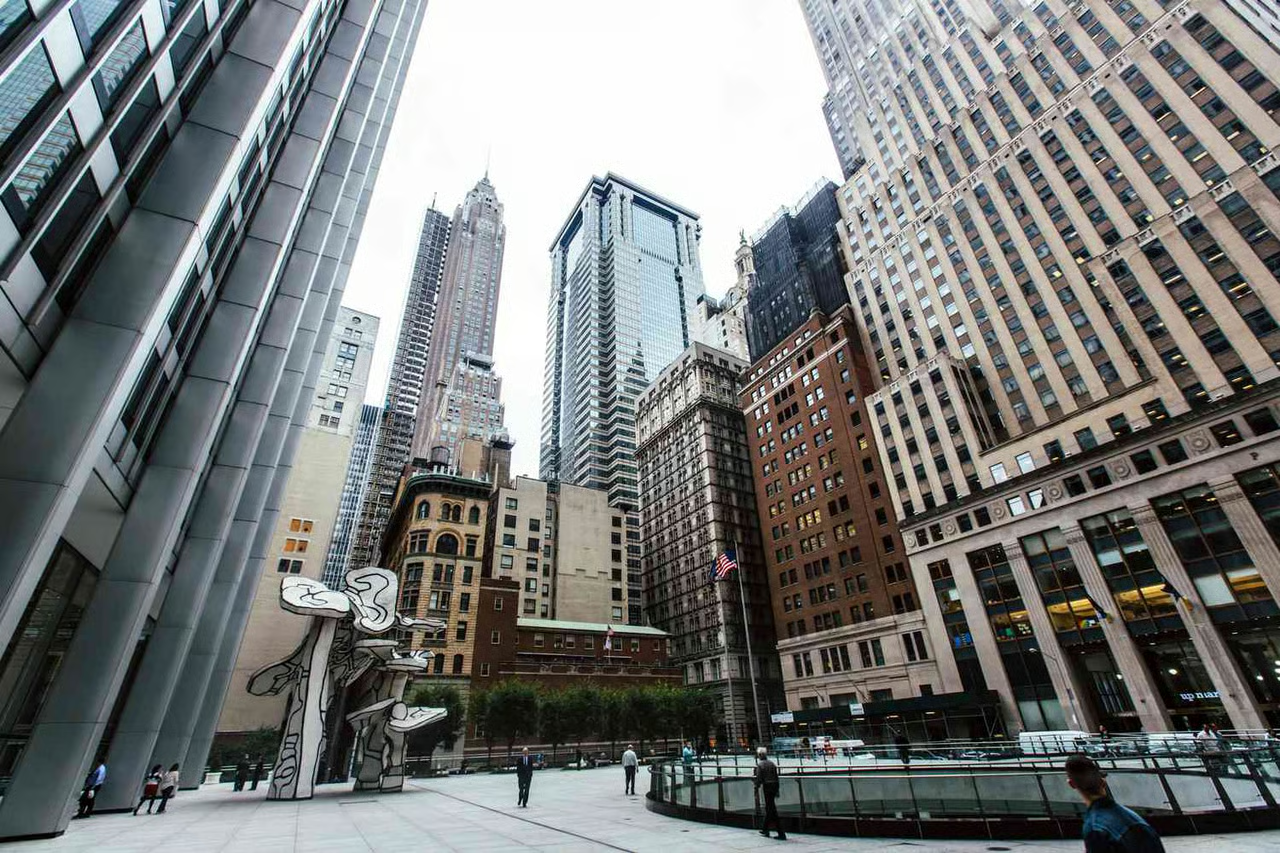
The streets have names instead of numbers as they were laid out before the introduction of the grid pattern in 1811 and, like in an old town in Europe, meet at oblique angles. The city wall once stood where Wall Street (hence the name) is today, and it was there that the area began its development into one of the world’s most important financial centers at the end of the 18th century.
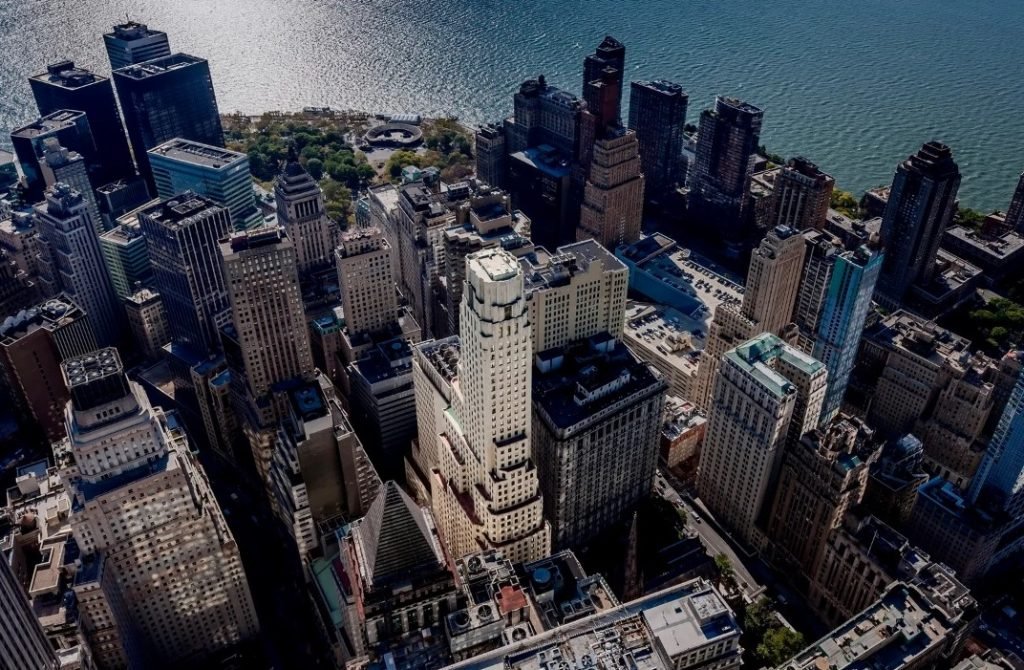
As has happened several times in its history, the area is reinventing itself once again. Driven by the ever-increasing demand for residential space and a decreasing need for office space, projects like the conversion of the ‘One Wall Street’ are taking place now. This beautiful Art Deco office building, dating back to 1930, is experiencing a rebirth as an apartment building with 566 condominiums after renovations costing $1.5 billion.
.
- Tour takes appx. 4 hours
- There is no geographical overlap between this tour and our other tour ,New York – A Mosaic of Neighborhoods and they complement each other nicely.
- This tour is conducted on foot and by subway and bus.
- Price for up to 4 guests: $450 USD
- Each additional guest: $75 USD
- Inquiries to touren@newyorkaktuell.nyc